Skip to content

Chalmers researchers awarded ERC Advanced Grants

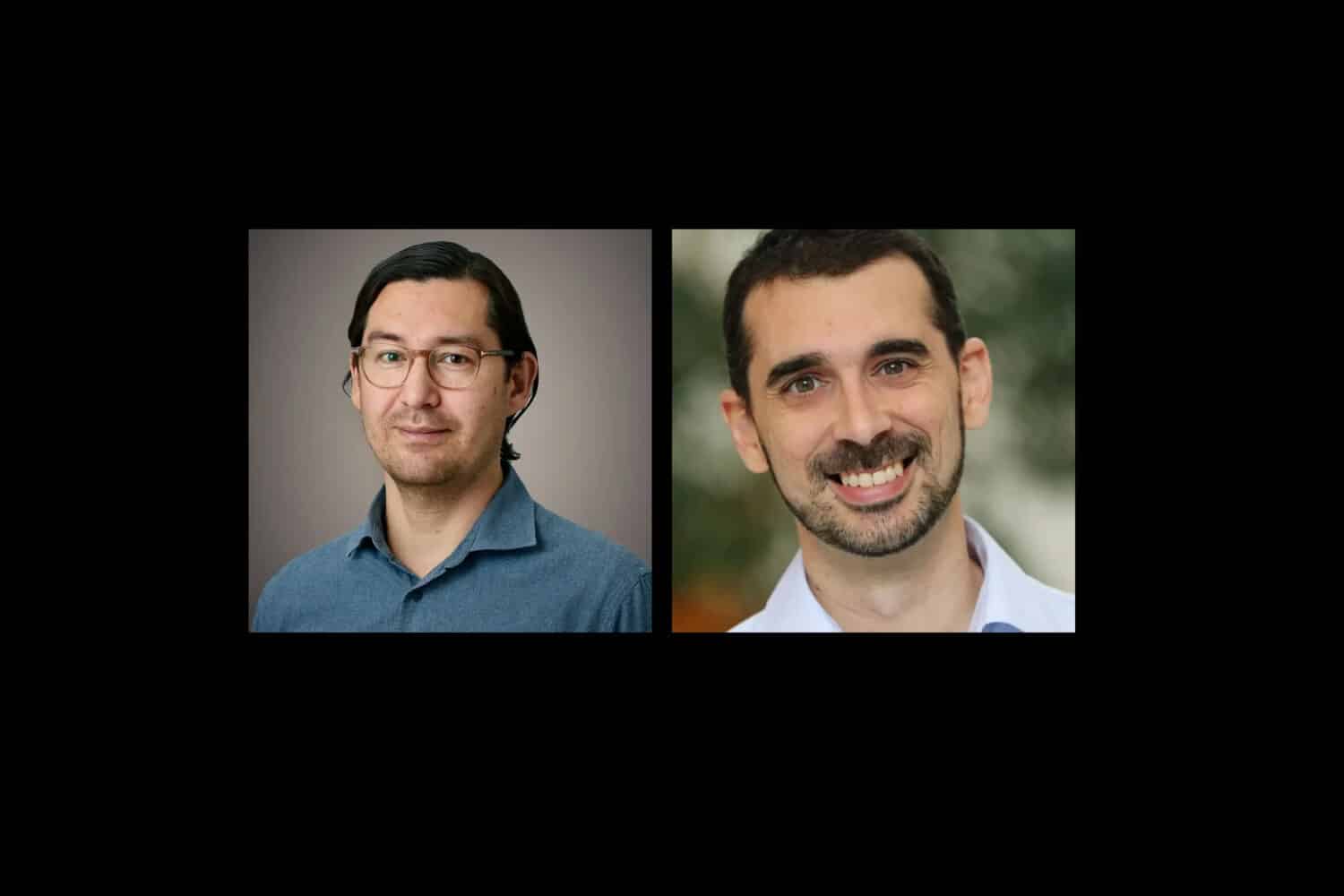
Portrait of two men: Victor Torres Company and Timur Shegai

Victor Torres Company and Timur Shegai are winners of the European Research Council’s (ERC) Advanced Grants, one of the most prestigious and competitive funding schemes in the EU.

The funding, worth in total 721 million euro, will go to 281 leading researchers across Europe, thirteen of them being from Sweden. The Advanced Grant gives senior researchers the opportunity to pursue ambitious, curiosity-driven projects that could lead to major scientific breakthroughs. The new grants are part of the EU’s Horizon Europe programme.

The two researchers at Chalmers who are now receiving the grant share their research and explain what the grant means to them.

Will create high-performance photonic systems on a chip
Victor Torres Company, Professor in photonics at the Department of Microtechnology and Nanoscience is granted 3,49 million euros for the course of five years, for the project “ProSync: Precise optical synchronization of high-speed electronics with microcombs”.

Investigates how the Casimir effect influences self-assembly in optical microcavities
Professor Timur Shegai at the Department of Physics is granted 2,48 million euros for the course of five years, for the project “CASAlibra: Casimir self-assembly out of equilibrium”.

 

Highlights and events

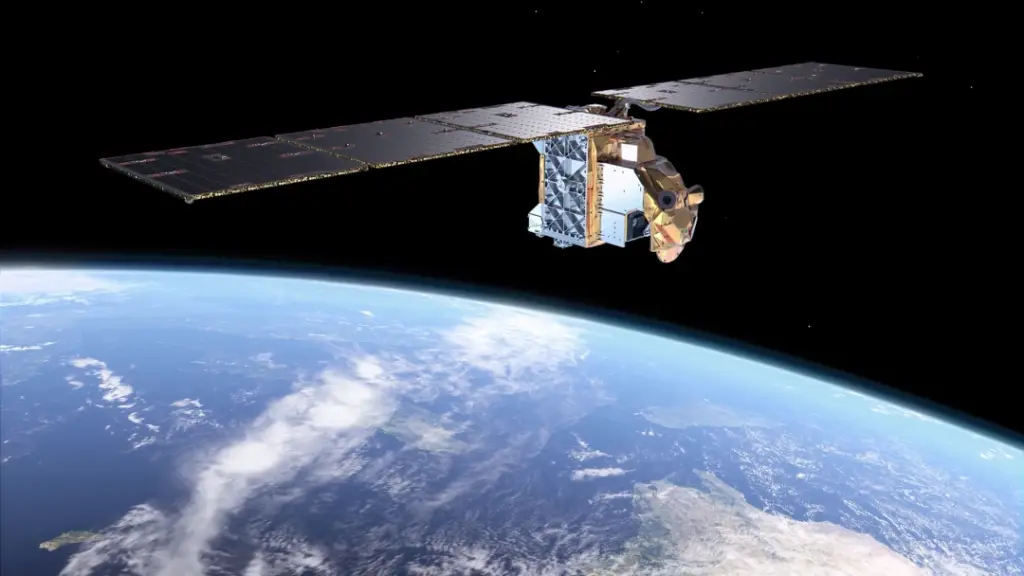
The world’s first Arctic weather satellite was launched into orbit in 2024. Now, the Chalmers-based technology used in the satellite’s microwave radiometers will be deployed in Europe’s new weather satellite programme, EPS-Sterna. Image: European Space Agency
2026 03 27
Myfab Chalmers

Chalmers research at the heart of record order for Europe’s new weather satellites

Read more
Event
2026 03 23
Myfab Chalmers , Myfab , Myfab KTH , Myfab Lund , Myfab Uppsala

April 15: Myfab joins SEMICON 2026

Read more
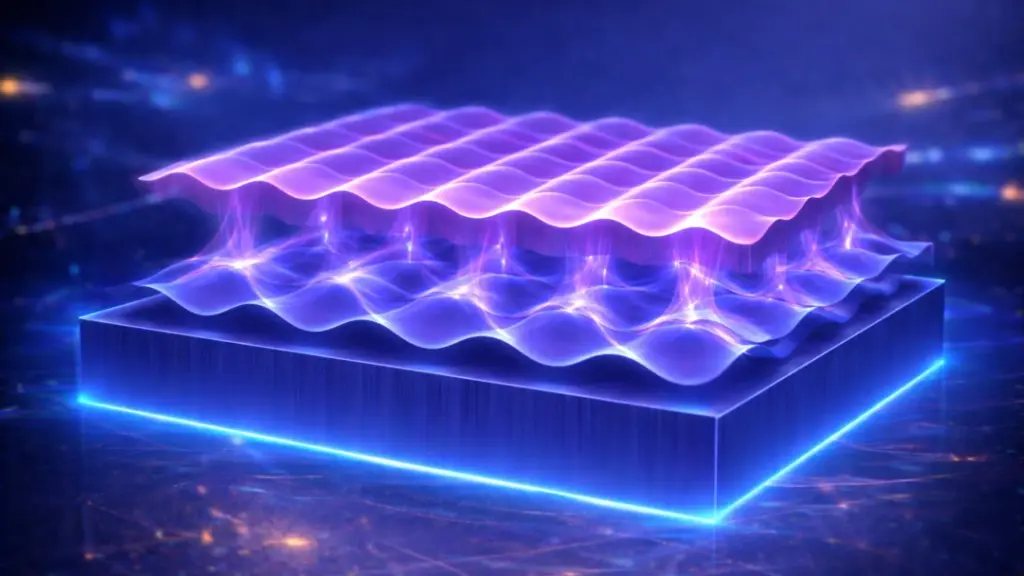
The conceptual image shows how the researchers’ sculpted pattern of tiny hills and valleys – smaller than one millionth of a hair’s thickness – on the substrate (MgO, at the bottom) guides how the atoms in the superconducting material (YBCO, on top) settle. At the interface between the two layers, an electronic landscape allows superconductivity to occur at higher temperatures than previously possible – even when high magnetic fields were are applied. Credit: Chalmers University of Technology / Riccardo Arpaia
2026 03 18
Myfab Chalmers

Superconductor advance could unlock ultra-energy-efficient electronics

Read more
Event a university house - Ångström Laboratory - Myfab Uppsala
2026 03 12
Myfab Chalmers , Myfab , Myfab KTH , Myfab Lund , Myfab Uppsala

June 1-3: Nordic user meeting in Uppsala

Read more
See all highlights