Skip to content

June 1-3: Nordic user meeting in Uppsala

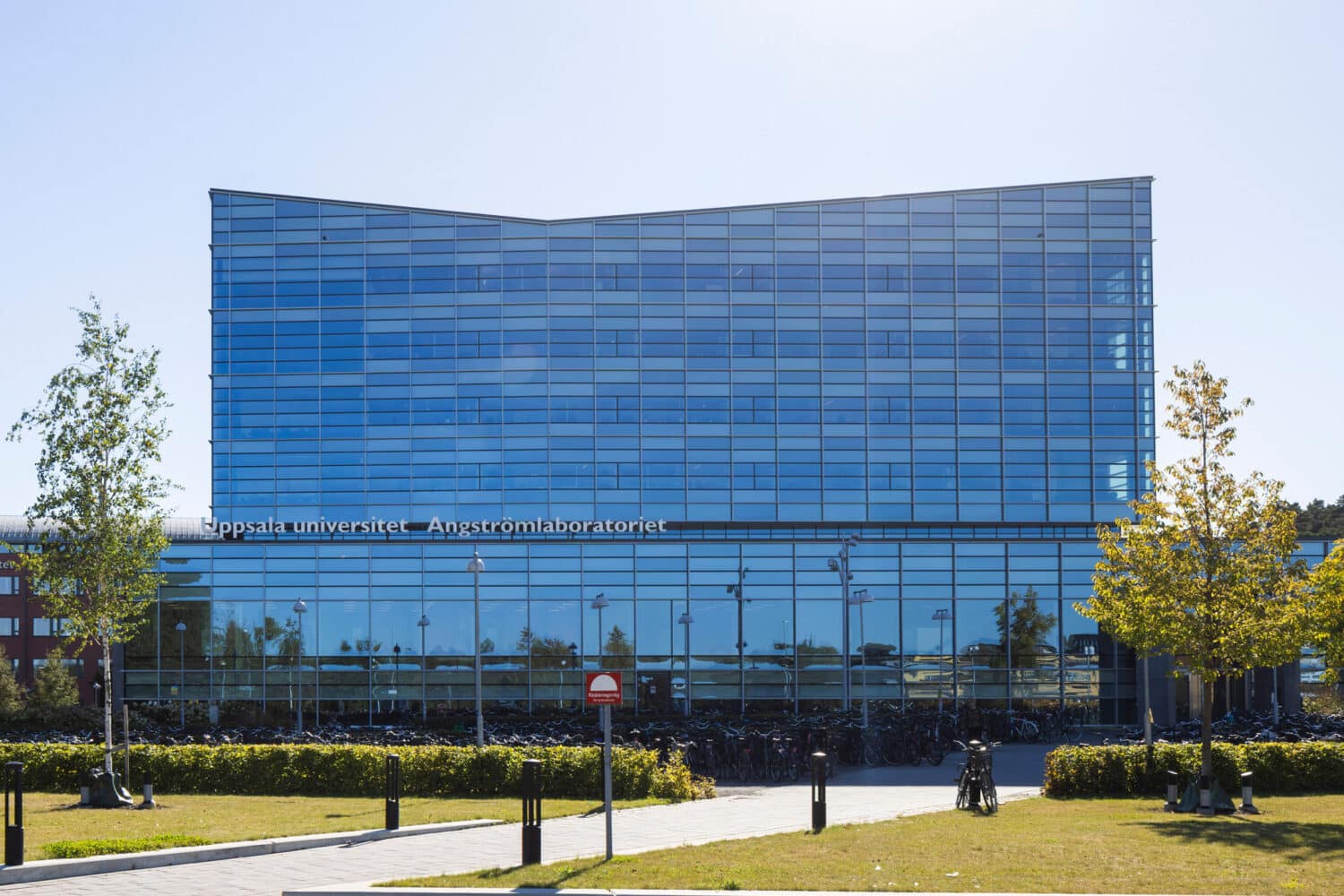
a university house - Ångström Laboratory - Myfab Uppsala

In June, Myfab Uppsala will host user and technician meetings for the Nordic Nanolab Network. Over three days, researchers, students, engineers, and cleanroom technicians from twelve Nordic facilities will meet to share knowledge, develop skills, and build new collaborations through workshops, talks, networking, and guided lab tours.

Nordic Nanolab User Meeting 2026 (NNUM 2026)
The fifth Nordic Nanolab User Meeting.
Time: June 2 – June 3, 2026
Place:  Ångström Laboratory, Lägerhyddsvägen 1, Uppsala, Sweden

Nordic Nanolab Technician Network 2026 (NNTN 2026):
This event will is for technicians at the NNN member cleanrooms.
Time: June 1 – June 2, 2026
Place: Ångström Laboratory

Both events are organised by the Nordic Nanolab Network, a collaborative network formed by the national research infrastructures for micro- and nanofabrication in the Nordic countries.

Register latest March 15 NNUM & NNTN 2026

The Nordic infrastructures are crucial for advancing technologies that drive progress in medical tech, electronics, materials science, and environmental solutions.

Highlights and events

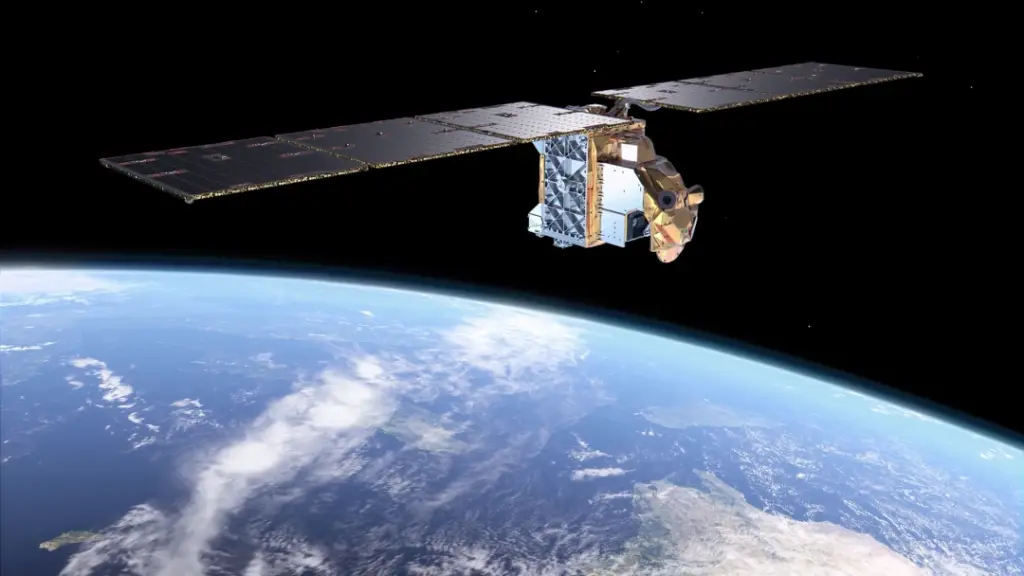
The world’s first Arctic weather satellite was launched into orbit in 2024. Now, the Chalmers-based technology used in the satellite’s microwave radiometers will be deployed in Europe’s new weather satellite programme, EPS-Sterna. Image: European Space Agency
2026 03 27
Myfab Chalmers

Chalmers research at the heart of record order for Europe’s new weather satellites

Read more
Event
2026 03 23
Myfab Chalmers , Myfab , Myfab KTH , Myfab Lund , Myfab Uppsala

April 15: Myfab joins SEMICON 2026

Read more
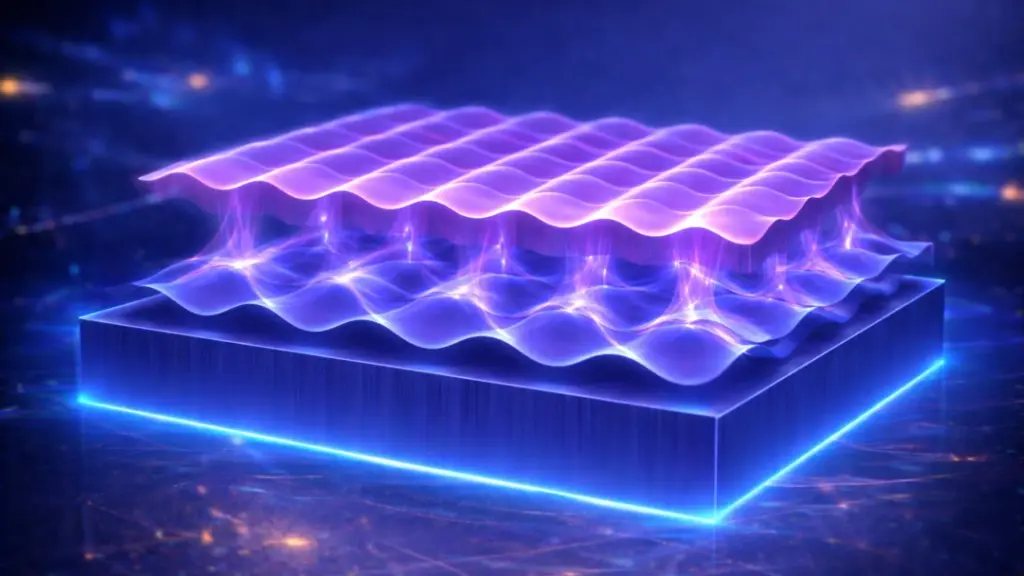
The conceptual image shows how the researchers’ sculpted pattern of tiny hills and valleys – smaller than one millionth of a hair’s thickness – on the substrate (MgO, at the bottom) guides how the atoms in the superconducting material (YBCO, on top) settle. At the interface between the two layers, an electronic landscape allows superconductivity to occur at higher temperatures than previously possible – even when high magnetic fields were are applied. Credit: Chalmers University of Technology / Riccardo Arpaia
2026 03 18
Myfab Chalmers

Superconductor advance could unlock ultra-energy-efficient electronics

Read more
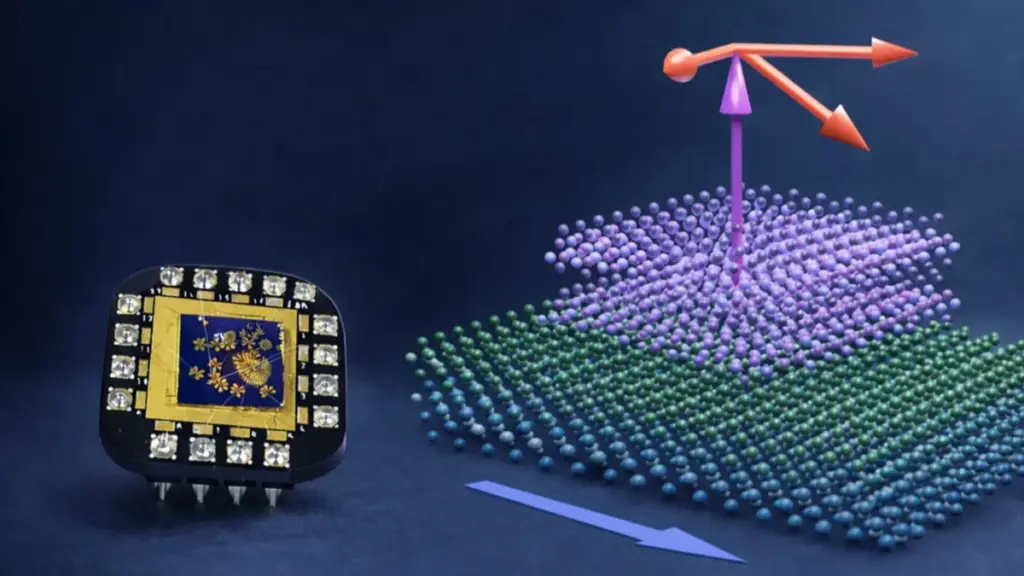
Illustration of the device concept. A memory chip based on stacked quantum materials. By placing a magnetic layer on top of a topological material, the researchers were able to switch magnetization using very small electrical currents and without applying an external magnetic field. Illustration: Lalit Pandey
2026 03 11
Myfab Chalmers

Quantum materials breakthrough for energy-efficient data processing

Read more
See all highlights